Every handmade gift carries a story — the story of the person who made it, the skills they developed, the materials they chose, and the hours they spent bringing the piece to life. This is what separates handmade from mass-produced: behind every handmade gift is a real person with real passion for their craft. This guide takes you behind the scenes to explore the story, craftsmanship, and passion that goes into every piece at Makers Market Indy.
When you give a handmade ceramic planter or a hand-hammered silver necklace, you are giving more than an object. You are giving the result of years of practice, careful material selection, and genuine passion for the craft.
The Story Behind Handmade Ceramics
Ceramics is one of the oldest human crafts, dating back thousands of years. The process of turning clay into a finished piece involves multiple stages, each requiring skill and patience.
The Throwing Process
A ceramic planter begins as a lump of clay on a potter's wheel. The potter centers the clay, opens it, and pulls up the walls — all by feel. The thickness must be even, the curve must be smooth, and the proportions must be right. This takes years of practice to master.
Glazing and Firing
After the piece dries, it is bisque-fired in a kiln at around 1,800°F. Then it is glazed — a process that involves dipping, pouring, or brushing liquid glaze onto the piece. The glaze transforms during the final firing, creating colors and textures that cannot be fully predicted. This unpredictability is what makes each piece unique.

The Craftsmanship Behind Hand-Tooled Leather
Leatherwork is a craft that rewards patience and precision. A hand-embroidered leather belt or a tooled leather cuff represents hours of skilled work.
Selecting the Leather
The maker begins by selecting the right leather — full-grain, vegetable-tanned, or bridle leather, depending on the product. The leather must be the right thickness, flexibility, and color for the intended piece.
Cutting and Tooling
The leather is cut by hand using a knife or clicker. For tooled pieces, the maker uses stamps and mallets to create patterns in the leather — a process that requires precision and a steady hand. Each stamp must be hit with the right amount of force, in the right position, to create a clean impression.
Stitching and Finishing
The piece is then stitched by hand using waxed thread and needles. Hand-stitching is stronger than machine stitching because the saddle stitch used in handwork locks each stitch independently. Finally, the edges are burnished and sealed for a clean, professional finish.
The Passion Behind Hand-Poured Candles
Candle making seems simple — melt wax, add scent, pour. But a truly good hand-poured candle is the result of careful science and artistry.
Selecting the Wax
Our candles use soy wax, which is natural, biodegradable, and burns cleaner than paraffin. The wax must be heated to the right temperature — too hot and the fragrance burns off, too cool and the wax will not blend properly.
Fragrance Blending
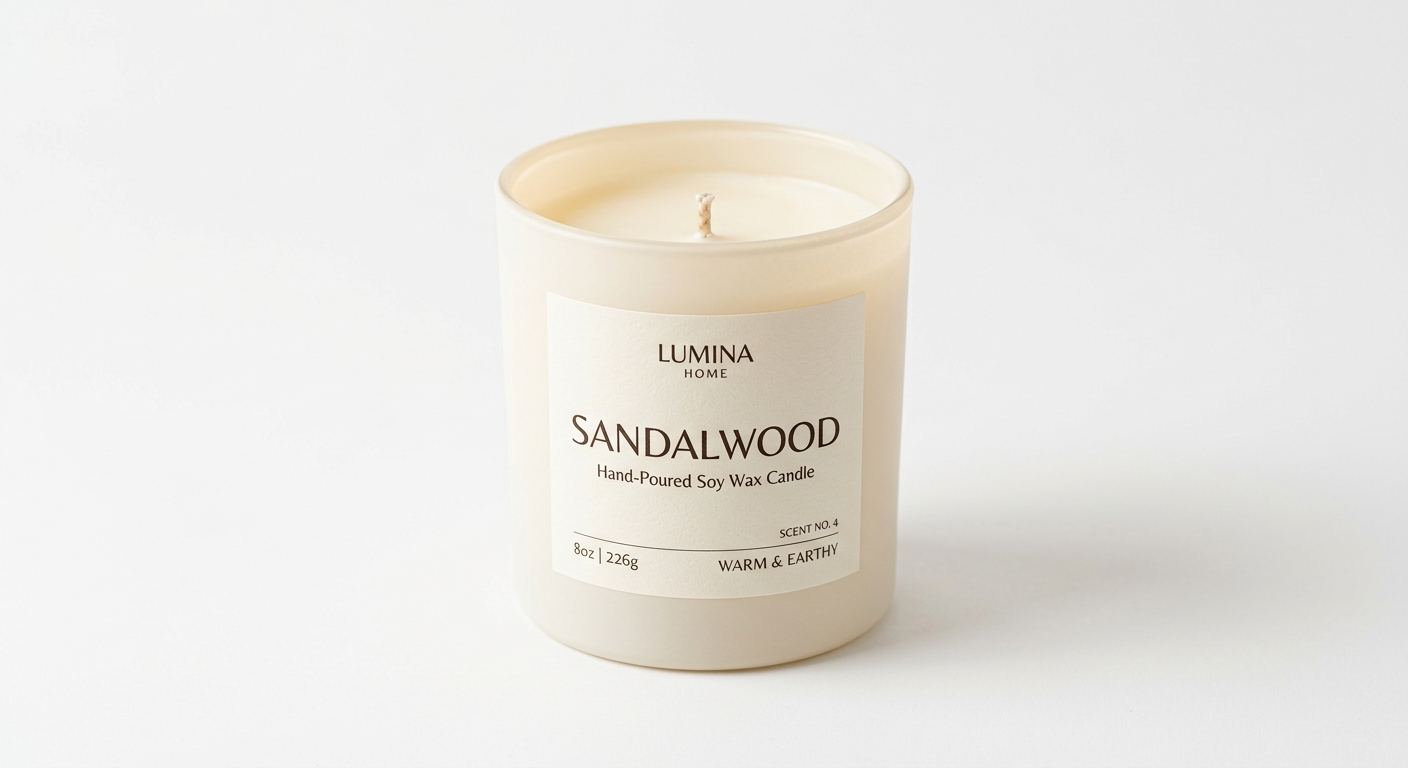
The fragrance load — the ratio of scent to wax — must be precise. Too little and the candle has no scent throw. Too much and the wax will not solidify properly. Our sandalwood candle is blended to fill a room without being overwhelming.
The Pour
The wax is poured by hand into each container. The wick must be centered and straight, and the pour must be steady to avoid air bubbles. After cooling, the candle cures for several days before it is ready to burn.
The Artistry Behind Hand-Blown Glass
Glassblowing is one of the most dramatic and demanding crafts. A hand-blown wine glass or recycled glass vase is shaped from molten glass at over 2,000°F.
Gathering and Shaping
The glassblower gathers molten glass on the end of a blowpipe, then rolls it on a steel table to shape it. Air is blown through the pipe to create the bubble that becomes the vessel. The glass must be kept at the right temperature — too cool and it cracks, too hot and it collapses.
The Human Element
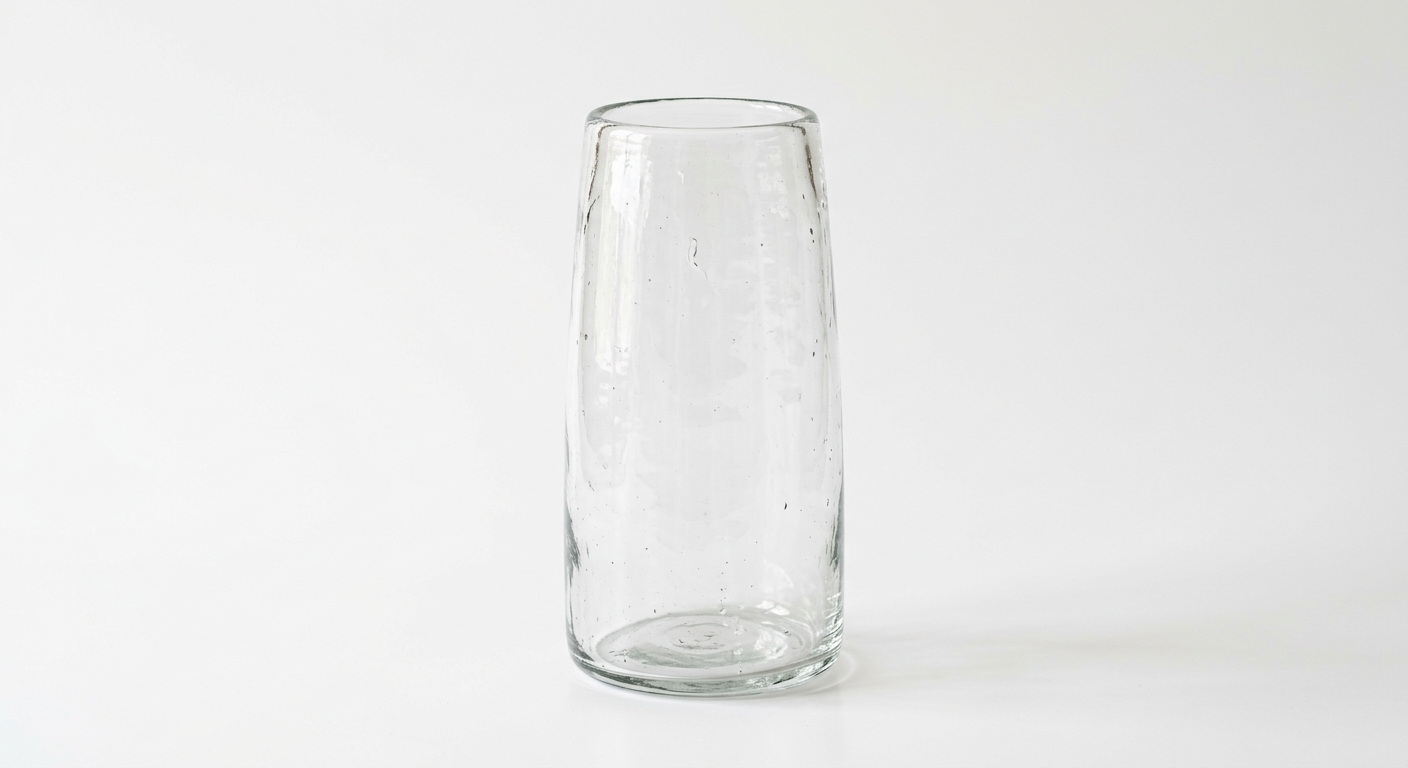
Every hand-blown piece has tiny variations — a slightly thicker wall here, a small bubble there. These are not defects. They are the signature of the maker, proof that a human breath shaped the glass. No machine can replicate these variations.
The Skill Behind Hand-Carved Wood
Wood carving requires an understanding of grain, density, and natural beauty. A serving board or olive wood salad servers showcase the natural grain of the wood while being functional.
Selecting the Wood
The maker selects wood for its grain, color, and durability. Olive wood is prized for its rich, swirling grain patterns. Each piece of wood is unique, which means each carved item is unique.
Carving and Finishing
The wood is carved using chisels, gouges, and knives. The maker follows the grain, working with the wood rather than against it. After carving, the piece is sanded smooth and finished with food-safe oil to protect the wood and enhance its natural beauty.

The Dedication Behind Hand-Embroidered Textiles
Embroidery is a craft of patience. A set of embroidered napkins or a decorative pillow can take hours of stitching to complete.
The Stitching Process
Each stitch is placed by hand using needle and thread. The embroiderer follows a pattern — sometimes drawn freehand, sometimes transferred from a template. The tension of each stitch must be consistent, and the pattern must be centered and balanced.
The Beauty of Imperfection
Like all handmade goods, hand-embroidered pieces have slight variations. A stitch might be a millimeter off, or the tension might vary slightly. These variations are what make handmade textiles special — they show the human hand behind the work.
The Precision Behind Hand-Hammered Jewelry
Jewelry making requires extraordinary precision and patience. A hand-hammered sterling silver earring or amethyst necklace represents hours of careful work.
Working with Silver
Sterling silver is shaped by hammering — each strike of the hammer moves the metal slightly, creating the textured finish that characterizes hand-hammered pieces. The maker must control the force, angle, and spacing of each strike to create a consistent pattern. Too hard and the metal deforms; too soft and the texture is invisible.
Setting Stones
For pieces with stones, like our raw amethyst necklace, the maker must create a setting that holds the stone securely while showcasing its natural beauty. Raw stones are irregular, which means each setting must be custom-fitted to the specific stone. This is a level of customization that mass production cannot achieve.
The Patience Behind Hand-Knitted Textiles
Knitting is a craft of patience and repetition. A hand-knitted baby blanket can take 10-20 hours of continuous knitting to complete. Every stitch is made by hand, and the tension must be consistent throughout to create an even fabric.
The maker counts stitches, follows patterns, and adjusts tension by feel. A single dropped stitch can unravel hours of work if not caught immediately. This level of attention and care is what makes hand-knitted items so special — and so different from machine-knit factory products.
Why the Story Matters When Giving Gifts
When you give a handmade gift, you are giving the story along with the object. You can tell the recipient, "This was made by a local artisan who has spent years perfecting their craft." That story adds meaning that no mass-produced gift can match.
- The maker's story: Who made this? How long have they been practicing their craft?
- The material story: Where did the materials come from? Why were they chosen?
- The process story: How was this made? What skills and tools were involved?
- The time story: How long did it take to make? Handmade items take hours, not seconds.
Frequently Asked Questions
How long does it take to make a handmade product?
It varies by product. A ceramic planter might take 2-3 hours of hands-on time plus drying and firing time. A hand-embroidered pillow can take 5-10 hours of stitching. A hand-blown vase might take 30 minutes of active glassblowing plus annealing time.
Why do handmade products have variations?
Variations occur because each piece is made by hand, not by a machine. The maker's touch, the natural materials, and the process all contribute to slight differences between pieces. These variations are what make handmade goods unique.
Are handmade products higher quality than mass-produced ones?
Generally, yes. Makers who put their name on a product care about its quality. They use better materials, take more time, and pay attention to details that machines miss. Read our guide to supporting local makers for more details.
Can I learn more about the makers behind Makers Market Indy?
Yes! We regularly feature maker spotlights on our Journal page. Follow us on social media for behind-the-scenes content and maker stories.
Conclusion
Behind every handmade gift is a story of craftsmanship, passion, and dedication. The maker spent years learning their craft, hours making each piece, and genuine care ensuring its quality. When you give a handmade gift, you give that story — and that is what makes handmade gifts so much more meaningful than anything from a factory. Explore our collections of handmade jewelry, candles, and home decor to find your next meaningful gift.