When you buy a handmade product from a local maker, you are doing more than acquiring a beautiful object. You are supporting a person, a family, a craft tradition, and a community. This guide explores why supporting local makers matters and why handmade products make better gifts than anything you can find in a big-box store.
At Makers Market Indy, we are a collective of Indianapolis-area artisans who create handmade goods with skill and care. Every purchase from our shop directly supports a local maker — and that support ripples outward in ways you might not expect.
The Economic Impact of Supporting Local Makers
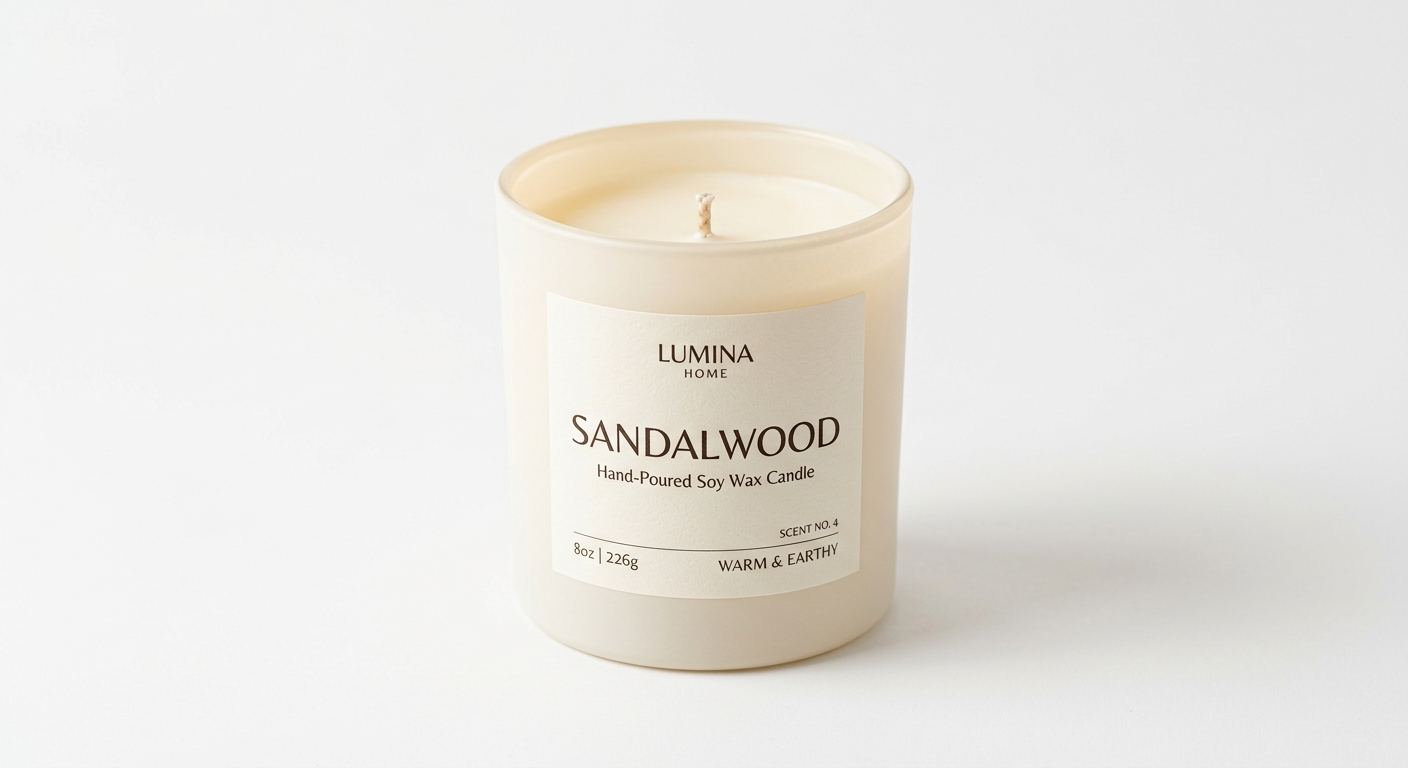
When you buy from a local maker, your money stays in the community. Studies show that locally spent dollars circulate within the community two to three times longer than dollars spent at national chains. This means your purchase of a hand-poured candle or a leather cuff bracelet does not just support the maker — it supports the local businesses where the maker buys their supplies, the restaurants where they eat lunch, and the community they call home.

Job Creation and Retention
Local makers are small businesses. When you support them, you help create and sustain jobs in your community. Each artisan who can make a living from their craft is one more person contributing to the local economy rather than leaving for a corporate job elsewhere.
Keeping Skills Alive
Many traditional crafts — pottery, glassblowing, leatherwork, weaving — are at risk of disappearing as mass production replaces handmade goods. When you buy handmade, you help keep these skills alive for future generations. The hand-blown wine glass you buy supports a glassblower who is preserving a centuries-old craft.
The Social Impact of Handmade Products
Building Community Connections
When you buy from a local maker, you build a connection with the person who created your product. You learn their story, their process, and their passion. This connection is something that mass-produced products can never offer. At Makers Market Indy, we want you to know the story behind every ceramic planter and every pair of earrings in our shop.
Fostering Creativity and Innovation
Local makers are innovators. They experiment with new techniques, materials, and designs in ways that factories cannot. When you support them, you encourage creativity and innovation in your community. The upcycled denim basket is a perfect example — it turns waste material into something beautiful and useful, an innovation that only a creative maker could envision.

The Environmental Impact of Choosing Handmade
Smaller Carbon Footprint
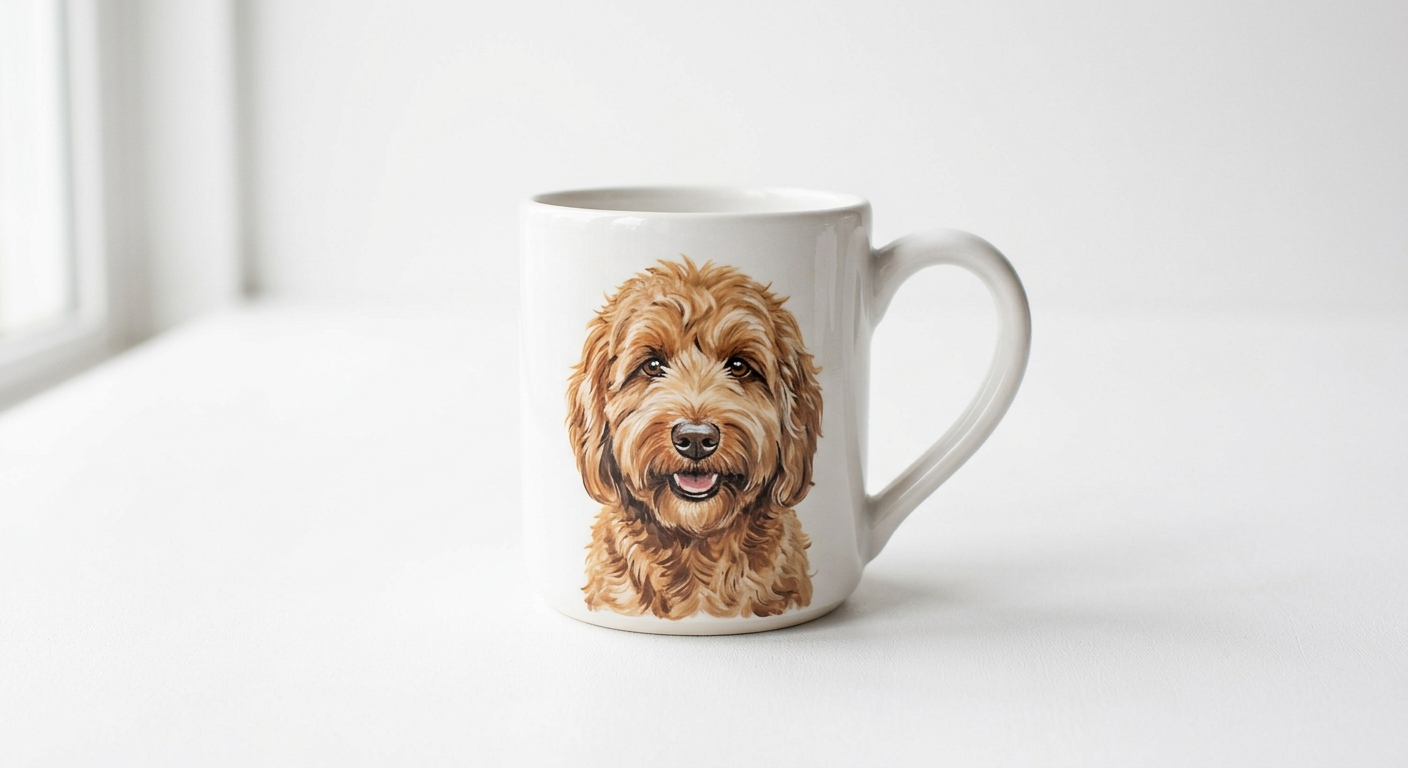
Handmade goods are typically made and sold locally, which means they travel a fraction of the distance that mass-produced items do. A factory-made mug might travel from China to a warehouse to a store to your home — thousands of miles. A handmade mug from Makers Market Indy travels from the potter's studio to your door.
Natural and Sustainable Materials
Local makers tend to use natural, sustainable materials. Our products feature organic canvas, beeswax, olive wood, organic cotton, and soy wax — all renewable, biodegradable materials that are better for the environment than the synthetics used in mass production.
Less Waste
Mass production creates enormous waste — overruns, defects, and unsold inventory that end up in landfills. Handmade goods are made to order or in small batches, which means there is minimal waste. When you buy a hand-carved serving board, you are buying a product that was made because someone wanted it, not because a factory needed to fill a quota.

Why Handmade Products Make Better Gifts
When it comes to gift giving, handmade products are simply better than mass-produced ones. Here is why:
They Are Unique
No two handmade items are exactly alike. The hand-painted plate you give as a gift is the only one of its kind in the world. That uniqueness makes the gift feel special in a way that a mass-produced item never can. The recipient knows that no one else has exactly the same thing.
They Tell a Story
Every handmade product has a story — the maker, the materials, the process. When you give a leather journal, you are giving that story along with the object. The recipient knows that a real person made this, by hand, with care. That story adds meaning that no factory product can match.
They Support a Cause
When you give a handmade gift, you are also giving the gift of support for a local maker. The recipient can feel good knowing that their gift helped an independent artisan make a living from their craft. This adds a layer of social responsibility to the gift that mass-produced items cannot offer.
They Last Longer
Handmade goods are made to last. A maker who puts their name on a product cares about its durability. They use better materials, take more time, and pay attention to details that machines miss. A hand-embroidered leather belt will outlast any factory-made belt because the maker selected the leather, stitched it by hand, and finished it with care.
They Show Thoughtfulness
Choosing a handmade gift requires more thought than grabbing something off a shelf. You have to consider the recipient, the occasion, and the maker. That thoughtfulness is evident to the recipient, who can see that you put real effort into choosing their gift. A custom portrait or a personalized star map shows that you went beyond the ordinary.
They Are Unique
No two handmade items are exactly alike. The hand-painted plate you give as a gift is the only one of its kind in the world. That uniqueness makes the gift feel special in a way that a mass-produced item never can.
They Tell a Story
Every handmade product has a story — the maker, the materials, the process. When you give a leather journal, you are giving that story along with the object. The recipient knows that a real person made this, by hand, with care.
They Support a Cause
When you give a handmade gift, you are also giving the gift of support for a local maker. The recipient can feel good knowing that their gift helped an independent artisan make a living from their craft.
They Last Longer
Handmade goods are made to last. A maker who puts their name on a product cares about its durability. A hand-embroidered leather belt will outlast any factory-made belt because the maker selected the leather, stitched it by hand, and finished it with care.
The Indianapolis Maker Community
Indianapolis has a thriving maker community, with artisans working in studios across the city — from Broad Ripple to Fountain Square to the Near Eastside. These makers are your neighbors, and their crafts represent the creative spirit of our city.
When you buy from Makers Market Indy, you are supporting this community directly. Our ceramic planters are thrown by a potter in Broad Ripple. Our soy candles are poured by a maker in Fountain Square. Our sterling silver jewelry is hammered by a jeweler in Herron Morton. Every product has a local maker behind it.
Preserving Craft Traditions
Many of the crafts practiced by our makers — pottery, glassblowing, leatherwork, weaving — are centuries old. These traditions have been passed down from generation to generation, and they are at risk of disappearing as mass production replaces handmade goods. When you buy handmade, you help preserve these traditions for future generations.
The hand-blown glass vase you buy supports a glassblower who is preserving a craft that dates back to ancient Rome. The embroidered napkins you give as a gift support an embroiderer who is keeping a textile tradition alive.
How to Support Local Makers Beyond Buying
- Share their work: Post photos of your handmade purchases on social media and tag the maker
- Tell your friends: Word of mouth is the most powerful marketing tool for small businesses
- Leave reviews: Positive reviews help other customers discover handmade goods
- Be patient: Handmade items take time to create — your patience is a form of support
- Learn about the craft: Understanding the process behind handmade goods deepens your appreciation
Frequently Asked Questions
Why are handmade products more expensive than mass-produced ones?
Handmade products cost more because they take more time and skill to produce. A maker spends hours on a single piece, while a factory produces thousands in the same time. The higher price reflects the quality, uniqueness, and human labor behind each item.
How do I know the maker is local?
At Makers Market Indy, all our makers are based in the Indianapolis area. We are transparent about who makes each product and where they are located.
Can I meet the makers?
We regularly host maker events and pop-up markets in Indianapolis. Follow us on social media for announcements about upcoming events where you can meet the artisans behind our products.
Do handmade products support the environment?
Yes. Handmade goods have a smaller carbon footprint, use natural materials, and produce less waste than mass-produced items. Read our guide to handmade gifts for more details.
Conclusion
Supporting local makers is about more than buying products — it is about investing in people, communities, and craft traditions. When you choose handmade, you choose quality over quantity, people over corporations, and sustainability over waste. Every purchase from Makers Market Indy supports a local Indianapolis artisan, and that support makes a real difference. Explore our jewelry collection or home decor to find your next handmade gift.