There is a fundamental difference between a gift made by hand and one stamped out by a machine. The handmade gift carries the time, skill, and intention of its maker — qualities that mass-produced items can never replicate. This guide explores why handmade gifts matter more than mass-produced items and how choosing handmade transforms the act of giving into something genuinely meaningful.
At Makers Market Indy, we have seen firsthand how handmade goods change the way people think about gifting. When you give a handmade ceramic planter or a hand-hammered sterling silver necklace, you are giving more than an object. You are giving a piece of someone's craft, time, and passion.
What Makes a Gift Handmade?
Before diving into why handmade matters, it helps to understand what the term actually means. A handmade item is created by a person using their hands and tools — not by an automated factory line. The maker controls every step of the process, from selecting materials to applying the finishing touches.
- Hand-thrown ceramics: Each ceramic planter is shaped on a wheel by a potter who adjusts thickness, curve, and glaze by feel.
- Hand-poured candles: A soy wax candle is mixed, scented, and poured by hand, with the maker controlling temperature and fragrance load.
- Hand-tooled leather: A leather belt is cut, tooled, and stitched by an artisan who has spent years perfecting the craft.
- Hand-blown glass: A wine glass is shaped from molten glass by a glassblower using breath and gravity.

The Problem with Mass-Produced Gifts
Mass-produced gifts are designed for efficiency, not meaning. They are made by machines in factories, often overseas, with the goal of producing as many identical units as possible at the lowest cost. When you give a mass-produced gift, you are giving something that thousands of other people also own.
Lack of Uniqueness
Mass-produced items are identical. The mug you buy from a big-box store is the same mug that millions of other people have in their kitchens. There is nothing unique about it, and the recipient knows that it could have been given to anyone.
No Story Behind the Object
A mass-produced item has no maker, no story, no craft. It was made by a machine in a factory. There is no person behind it, no skill, no passion. The gift is just a product — a unit of commerce, not a piece of artistry.
Environmental Impact
Mass production prioritizes speed and cost over sustainability. Factories generate waste, use synthetic materials, and ship products across the globe. Handmade goods, by contrast, are often made with natural materials and sold locally, reducing their environmental footprint.
Why Handmade Gifts Matter More
1. Every Piece Is Unique
When something is made by hand, no two pieces are exactly alike. A hand-painted ceramic plate will have slight variations in the brushwork. A hand-blown glass vase will have tiny bubbles and variations in thickness. These imperfections are not flaws — they are the signature of the maker, proof that a human hand shaped the object.

2. The Story Behind the Gift
Every handmade item has a story. The leather journal you give was stitched by a local bookbinder. The sterling silver earrings were hammered by a jeweler who has spent decades perfecting their technique. When you give a handmade gift, you are giving that story along with the object — and stories are what make gifts memorable.
3. Supporting Real People
When you buy a handmade gift, your money goes directly to the maker — not to a corporation. You are supporting an independent artisan, their family, and their community. At Makers Market Indy, every purchase supports a local Indianapolis maker. That is a gift that gives twice: once to the recipient and once to the artisan.
4. Superior Quality and Durability
Handmade goods are made to last. A maker who puts their name on a product cares about its quality. They use better materials, take more time, and pay attention to details that machines miss. A hand-carved wood serving board will outlast any factory-cut board because the maker selected the wood, carved it by hand, and finished it with care.

5. Environmental Sustainability
Handmade goods are inherently more sustainable than mass-produced ones. Makers use natural materials like beeswax, organic canvas, and olive wood. They produce in small batches, reducing waste. And because they sell locally, the carbon footprint of shipping is minimal compared to global supply chains.
The Time Factor: Why Handmade Takes Longer
One of the most significant differences between handmade and mass-produced goods is time. A factory can produce thousands of mugs per hour. A potter throwing ceramic planters by hand might produce 10-20 in a day — and that is before glazing, firing, and cooling, which add several more days to the process.
This time investment is reflected in the price, but it is also what gives handmade goods their value. When you hold a hand-painted ceramic plate, you are holding hours of a maker's focused attention. Every brushstroke was applied by a person who cared about the result. That human investment is something no machine can replicate.
The time factor also means that handmade goods are made in limited quantities. A maker cannot produce thousands of pieces, which means each piece is more valuable — not just financially, but emotionally. When you give a handmade gift, you are giving something that was made in small numbers, often just for the person who ordered it.
How to Identify Truly Handmade Gifts
Not everything labeled "handmade" is actually made by hand. Here are some signs of genuine handmade craftsmanship:
- Variation between pieces: If every item looks slightly different, it was made by hand.
- Maker's mark or signature: Many artisans sign their work or include a maker's mark.
- Natural materials: Handmade goods tend to use natural materials rather than synthetics.
- Transparent sourcing: A real maker can tell you where their materials come from and how the item was made.
- Higher price point: Handmade goods cost more because they take more time and skill to produce.
The Economic Case for Handmade
Beyond the emotional and environmental benefits, there is a strong economic case for choosing handmade. When you buy from a local maker, your money stays in the community. Studies show that locally spent dollars circulate within the community two to three times longer than dollars spent at national chains. This means your purchase of a hand-poured candle or a leather cuff bracelet does not just support the maker — it supports the local economy.
Each artisan who can make a living from their craft is one more person contributing to the community rather than leaving for a corporate job elsewhere. When you support handmade, you help sustain a diverse, resilient local economy that is not dependent on a single employer or industry.
The Difference in Materials
Handmade makers choose materials with care. They select organic canvas over synthetic fabric, olive wood over composite, beeswax over paraffin. These choices matter because they affect not only the quality and durability of the product but also its environmental impact and safety.
Mass-produced items are made with the cheapest materials that can meet minimum quality standards. Handmade items are made with the best materials the maker can find — because the maker's reputation depends on the quality of the finished product. A sterling silver necklace from a local jeweler uses genuine silver and real amethyst, not plated metal and glass.
The Emotional Impact of Handmade Gifts
Beyond the practical reasons, handmade gifts have an emotional impact that mass-produced items cannot match. When someone receives a handmade gift, they know that someone chose it specifically for them — not just grabbed it off a shelf. The time and thought that went into selecting a handmade piece communicates care in a way that a generic gift never can.
Studies have shown that gift recipients value handmade gifts more highly than mass-produced ones, even when the handmade item costs less. The perceived value comes from the thoughtfulness, uniqueness, and story behind the gift — not from the price tag.
Frequently Asked Questions
Are handmade gifts more expensive than mass-produced ones?
Handmade gifts often cost more than mass-produced equivalents because they take more time and skill to produce. However, they also last longer and carry more meaning, making them better value over time.
How do I know if a gift is truly handmade?
Look for variation between pieces, natural materials, maker's marks, and transparent sourcing. At Makers Market Indy, every product is made by hand by a local artisan.
Do handmade gifts make good presents for people who do not care about crafts?
Absolutely. Even people who do not think about craftsmanship appreciate receiving something unique, well-made, and meaningful. The quality and story of a handmade gift speak for themselves.
Can I personalize a handmade gift?
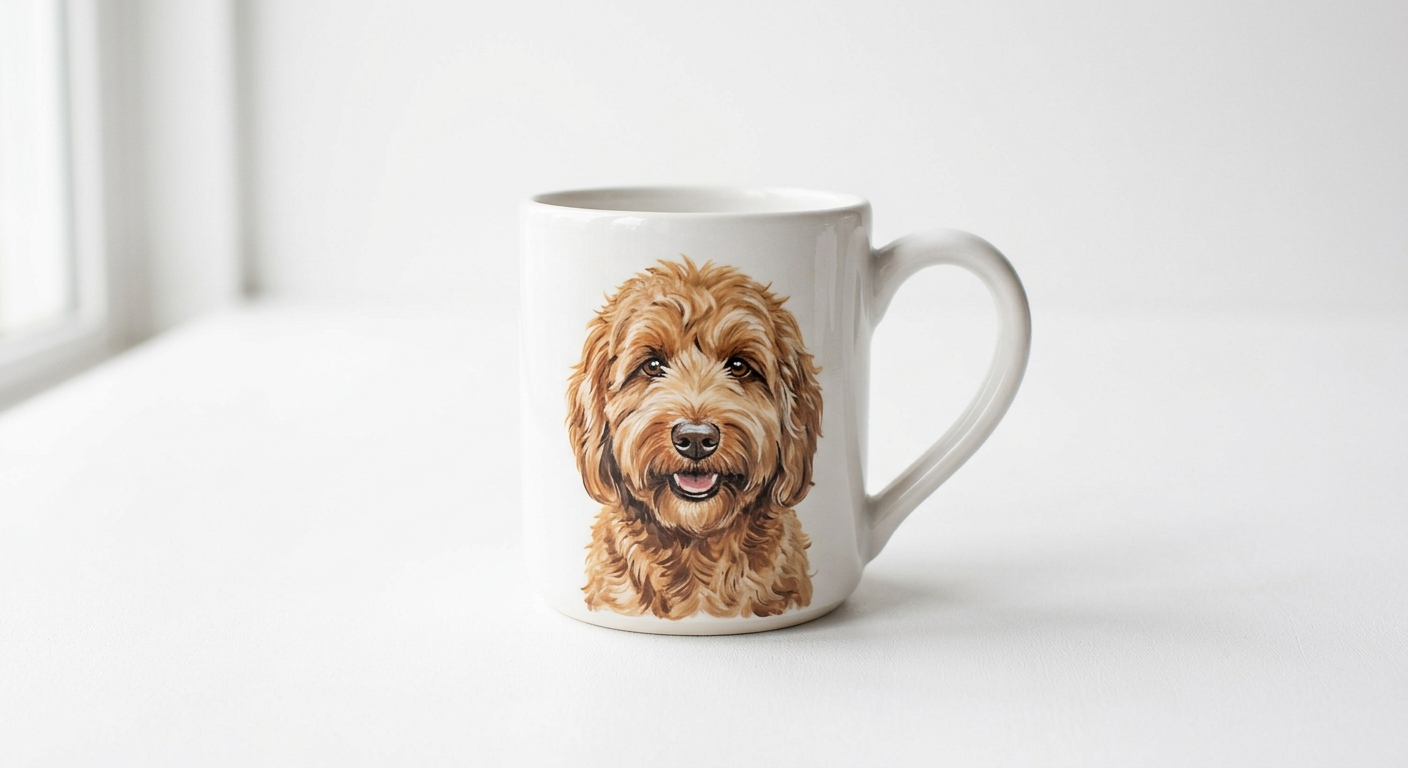
Many of our handmade items can be personalized. Our engraved wooden keepsake box and custom pet portrait mug are popular personalized options.
Conclusion
Handmade gifts matter more than mass-produced items because they carry something that factory products cannot: the time, skill, and intention of a real person. They are unique, they tell a story, they support real makers, and they are made to last. When you choose handmade, you are choosing meaning over convenience, quality over quantity, and people over corporations. That is what makes a gift truly special.